
Protect Your Hearing Health

Hearing tests don’t just measure how well you hear – they can also uncover health issues that impact your quality of life. For that reason and many others, protecting and evaluating your hearing health can contribute to your overall wellness.

What do hearing exams detect?

Beyond confirming hearing loss, certain procedures can reveal serious issues, such as growths or tumors in the ear canals or signs of impacted earwax that can block sound. A hearing exam might also uncover eardrum perforations, middle ear infections, or fluid buildups that can cause persistent discomfort and temporary hearing loss.  Tinnitus (ringing or buzzing in the ears) sometimes points to nerve or circulatory problems, while recurring dizziness or balance trouble might hint at issues with the vestibular system, which helps control coordination.

Additionally, a hearing evaluation may uncover these types of health issues:

  • Heart disease, poor blood circulation, and blood pressure issues
  • Ménière’s, which causes an imbalance of fluid in the ear, leading to dizziness, nausea, and even tinnitus
  • Paget’s disease, a bone disorder causing pain in the head, nerves, joints, and bones, is strongly linked to hearing loss
  • Rheumatoid arthritis
  • Otosclerosis
  • Worsening diabetes
  • Exposure to toxic chemicals

By diagnosing these conditions early, we can suggest appropriate treatments, such as medication or minor procedures. Even relatively small steps, like removing hardened earwax, can make a big difference in your daily life.

Untreated Hearing Loss and Cognitive Health

Research continues to show that hearing difficulties increase the risk of dementia or other forms of cognitive decline. When sounds aren’t processed properly, the brain has to work harder to understand speech and background noises. Over time, that extra effort can take a toll on memory and mental sharpness.

Moreover, those with unaddressed hearing loss often retreat from social gatherings because it’s tiring or frustrating to keep up with conversations. Isolation, in turn, has been linked to depression and can further accelerate changes in brain function.

Why Treating Hearing Loss Matters

Slowing the progression of hearing loss
Helping you stay socially active
Lowering your risk of depression and anxiety
Helping with tinnitus

Hearing with Ease

Conversations with family and friends are vital for our emotional wellbeing.

  • Hearing well helps us engage with less effort.
  • Understanding speech with ease helps stimulate our brains, keeping cognitive functions sharp.
  • Good hearing enhances our sense of independence, reducing feelings of isolation and inviting us to participate in life more fully.

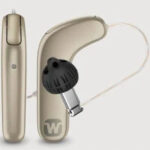
A beige behind-the-ear hearing aid with a black earpiece and a thin, transparent tube, shown from both side and front angles on a light background.Widex SmartRIC™ hearing aids can help you engage with the world as naturally as possible with better directionality (and reduced wind and touch noise),
allowing you to stay connected to the people and sounds that matter most. These state-of-the-art hearing aids feature a groundbreaking design — modern, sleek, and functional — placed at an improved angle that’s comfortable even if you wear glasses. Choose from five stylish colors.

Certainly, we understand that you want the best from your investment in hearing well. You deserve personalized attention and a hearing aid customized to your needs. We’re here to answer your questions and provide the excellent customer service you’ve come to expect. Call us at 903-868-2650. We want you to hear well again!
Two people wearing white lab coats stand side by side, smiling at the camera against a plain light gray background.
Jill Sheppard
B.S., SLP/Audiology​

Take the Next Step

Don’t wait until hearing loss affects more than just your ears.

Call 903-206-2442 or contact us online to schedule an appointment at HearCare, Inc. and Associates today.