
Why Are My Hearing Aids Whistling, and How Can I Fix It?
Learn why hearing aids whistle, how to troubleshoot feedback safely, and when a fitting adjustment or professional repair may be necessary.
Learn why hearing aids whistle, how to troubleshoot feedback safely, and when a fitting adjustment or professional repair may be necessary.
“Learn why hearing in restaurants is difficult and how testing, communication strategies,
and listening technology can improve speech clarity.”
Are your hearing aids causing headaches? Learn why improperly fitted devices trigger pain and how professional adjustments can restore comfortable sound.
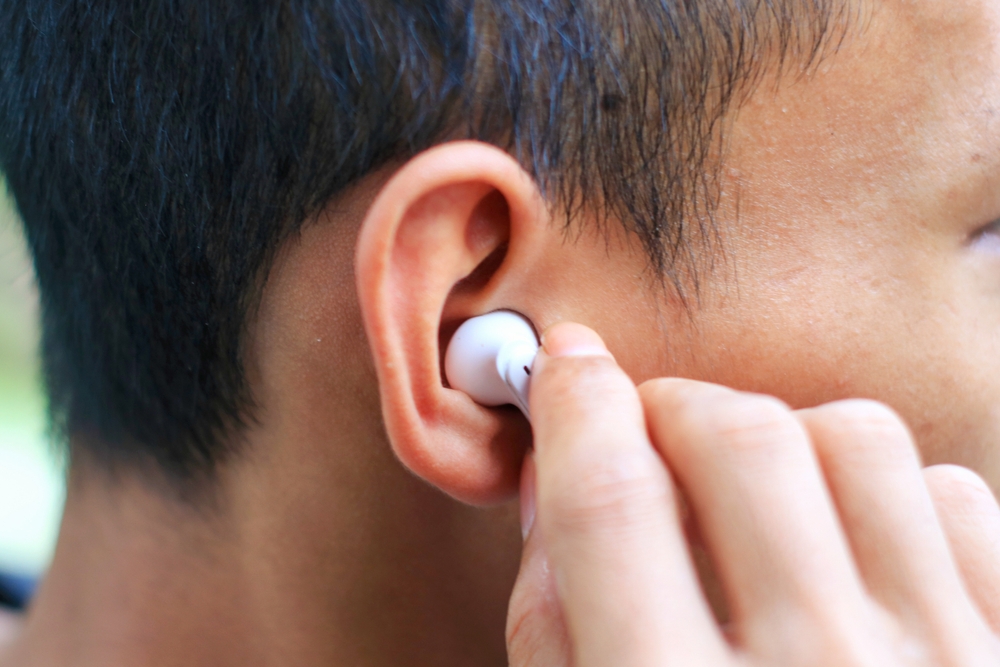
Rarely do we see a young adult in public without an earbud in their ears. Headphones are a bit more cumbersome, but teens still find them a way to escape from their surroundings. We all enjoy listening to music no matter our age, but younger people rely on music to pass the time. So, can headphones cause hearing loss since

Most people think of hearing as something the ears do, which is partly true. But hearing is just as much a brain function as it is an ear function. Cognitive hearing is your brain’s ability to interpret and make sense of the sounds your ears hear. For example, you might hear someone speaking clearly, but still struggle to

Everybody knows that hearing is something your ears do. What we think less about is the role our brain plays in hearing. Your ears collect sound, but your brain interprets it, turning vibrations into words, meaning, and memories. When hearing loss develops, the brain receives less information about sound. Over time, reduced stimulation can make listening more
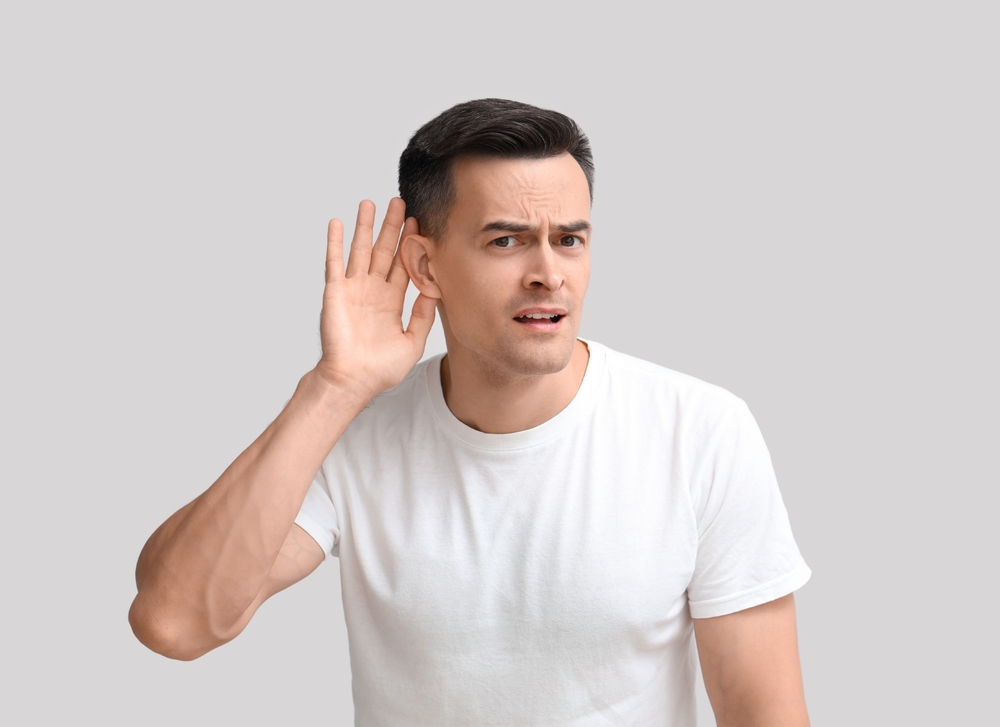
Have you ever felt totally drained after a long conversation or social gathering? You may assume you’re just tired, stressed, or overwhelmed. And it’s true that for introverts or people with sensory issues, social situations can be exhausting. But in some cases, the cause is a lesser-known culprit: auditory fatigue. Auditory fatigue happens when your brain has to work harder to process sound. When
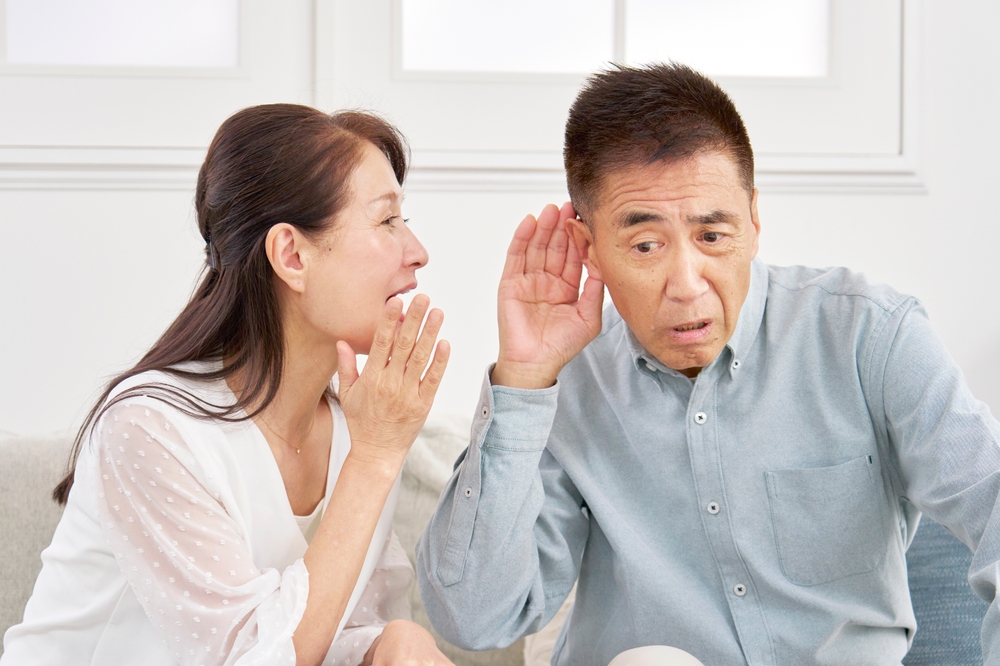
Hearing loss is more common than most of us might realize, but misinformation continues to prevent many people from seeking proper care. And with hearing loss, getting the right care at the right time is critical. Believing common hearing loss myths can delay diagnosis, impact communication, and reduce your overall quality of life. If you have concerns

We usually associate hearing changes with aging or noise exposure, but the time of year can also affect how well we hear. If it seems that your ears often feel more blocked in the winter or more irritated during the summer, you’re probably right. Seasonal hearing loss symptoms are common and often linked to environmental factors that change throughout

Most people know loud noise can damage your hearing, but medications are a lesser-known culprit. Medications that can impact hearing are known as ototoxic medications, meaning they have the potential to harm the inner ear. While many ototoxic drugs are necessary (and highly effective) for treating serious medical conditions, knowing the risks can help you recognize symptoms

It’s easy to brush off temporary hearing loss. Maybe your ears feel clogged after a flight. Maybe sounds seem muffled after a loud concert. Or perhaps you wake up one morning and everything feels slightly distant and unclear. These symptoms often improve on their own, so many people assume temporary hearing changes are harmless. Usually, they are. However, understanding
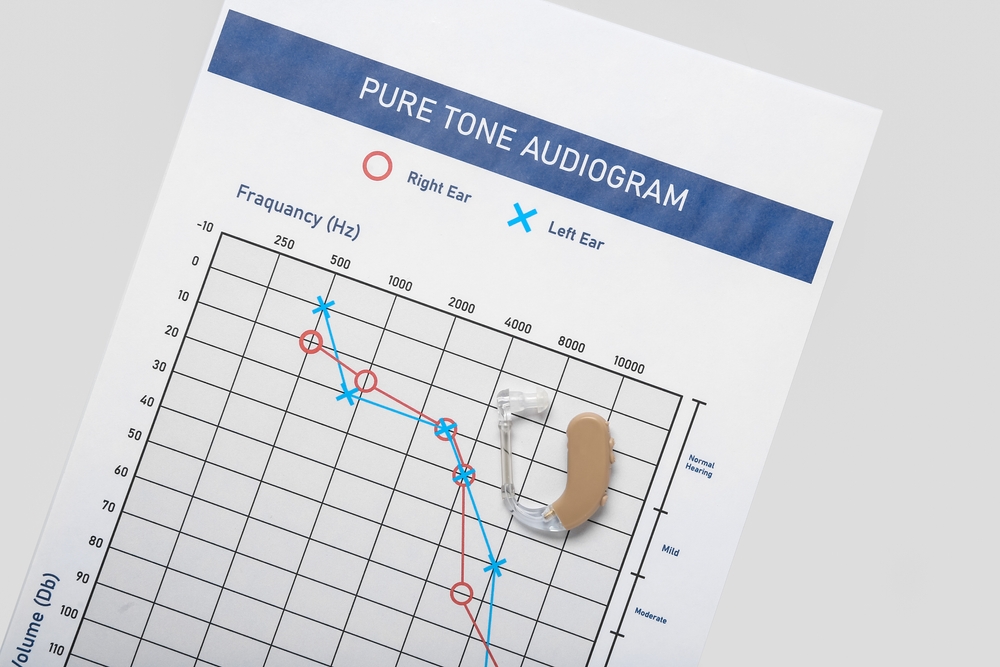
If you’ve recently had a hearing test, you may have been handed a chart full of lines, numbers, and symbols and wondered what it all means. Audiograms can look intimidating at first glance, but once you understand the basics, they’re actually a helpful and straightforward tool. This guide breaks down how to read an audiogram in plain language, so you can better understand your hearing results